Navratri Sparkle Mania: India’s Festive Game of Joy & Tradition
A definitive exploration of the vibrant traditional game that brings Navratri celebrations to life—its history, gameplay, cultural roots, and digital evolution
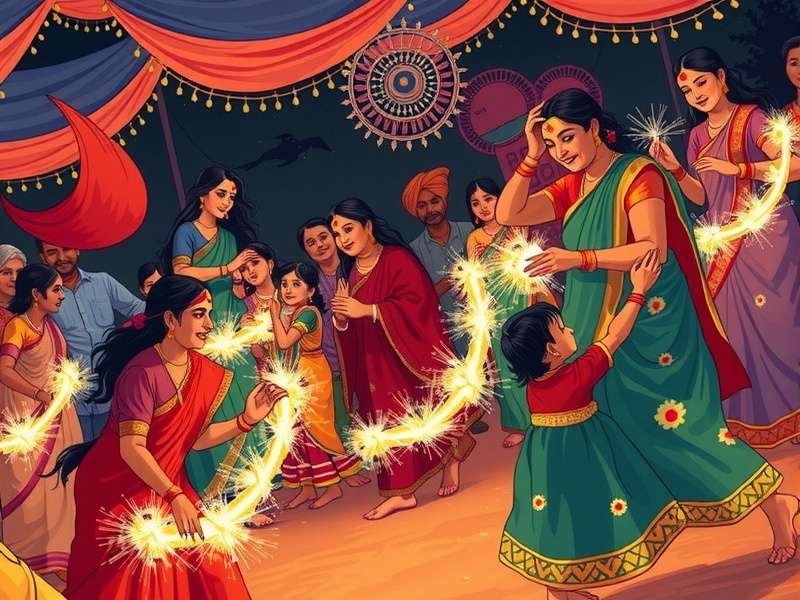
As the air fills with the rhythm of dandiya sticks, the fragrance of jasmine garlands, and the chants of “Jai Ambe Gauri,” Navratri—India’s most beloved nine-day festival—unfolds in all its glory. Amidst the dance, puja, and feasting, one tradition stands out as a unifying force for communities across the country: Navratri Sparkle Mania. More than just a game, it is a celebration of Durga Maa’s blessings, a showcase of teamwork, and a way to pass down cultural values from one generation to the next.
Navratri Sparkle Mania, known by regional names like “Navratri Chamak Mania” in Gujarat, “Durga Sparkle Khel” in West Bengal, and “Amba Jyoti Mania” in Tamil Nadu, is a festive game that blends treasure hunting, rhythmic challenges, and traditional rituals. Played in pandals, community grounds, and even homes, it brings together people of all ages—from hyperactive children to seasoned elders—creating moments of laughter, friendly competition, and shared joy. What makes it unique is its deep connection to Navratri’s core themes: devotion to the divine feminine, victory of good over evil, and the power of unity.
At its heart, Navratri Sparkle Mania revolves around “sparkle tokens”—colorful, decorated objects that symbolize Durga Maa’s blessings. Teams compete to collect these tokens by completing a series of challenges inspired by Navratri traditions: from arranging rangoli patterns to performing dandiya dance moves, reciting devotional hymns to solving riddles about Hindu mythology. The game is not just about winning; it’s about embodying the festive spirit, respecting traditions, and forging bonds with fellow celebrants.
What sets Navratri Sparkle Mania apart from other festival games is its adaptability. While its roots lie in ancient rituals, it has evolved over centuries to reflect regional cultures, modern sensibilities, and even digital trends. In rural areas, it remains a simple, low-cost activity that requires nothing more than handmade tokens and a love for the festival. In urban centers, it has grown into elaborate events with themed challenges, sound systems, and even professional emcees. And thanks to organizations like Daman Games, it has now entered the digital age, with mobile apps and online tournaments allowing people to play from the comfort of their homes—even if they’re miles away from their hometowns.
The game’s enduring popularity stems from its ability to balance tradition and fun. It teaches young players about Navratri’s significance, the stories of Durga Maa, and the importance of teamwork and respect. For elders, it’s a chance to relive their childhood memories and pass down stories and rituals to the next generation. In a world where festivals are increasingly becoming commercialized, Navratri Sparkle Mania remains a pure, heartfelt tradition that keeps the spirit of Navratri alive.
🎮 Game Type
Festive Folk Game, Team-Based Treasure Hunt, Rhythmic Challenge Game, Cultural Heritage Game
👥 Number of Players
6+ Players (Optimal: 10-20 Players Divided into 2-4 Teams)
📍 Popular Regions
Pan-India (Gujarat, Maharashtra, West Bengal, Tamil Nadu, Uttar Pradesh, Rajasthan, Delhi)
🎉 Occasions Played
Navratri Festival (Days 1-9), Garba Nights, Pandal Celebrations, Community Puja Events, Diwali Eve
Throughout this comprehensive guide, we will delve deep into the world of Navratri Sparkle Mania. We will explore its ancient origins, tracing its roots to Vedic rituals and medieval festival traditions. We will break down its gameplay mechanics, from setting up the game to completing challenges and winning prizes. We will examine its regional variations, highlighting how different parts of India have put their own unique spin on the game. We will also discuss its modern adaptations, including the digital version by Daman Games, and its lasting cultural impact on communities across the country. Whether you’re a lifelong fan of Navratri Sparkle Mania, a curious cultural enthusiast, or someone looking to incorporate this game into your Navratri celebrations, this guide has everything you need to know.
📜 History & Origins of Navratri Sparkle Mania
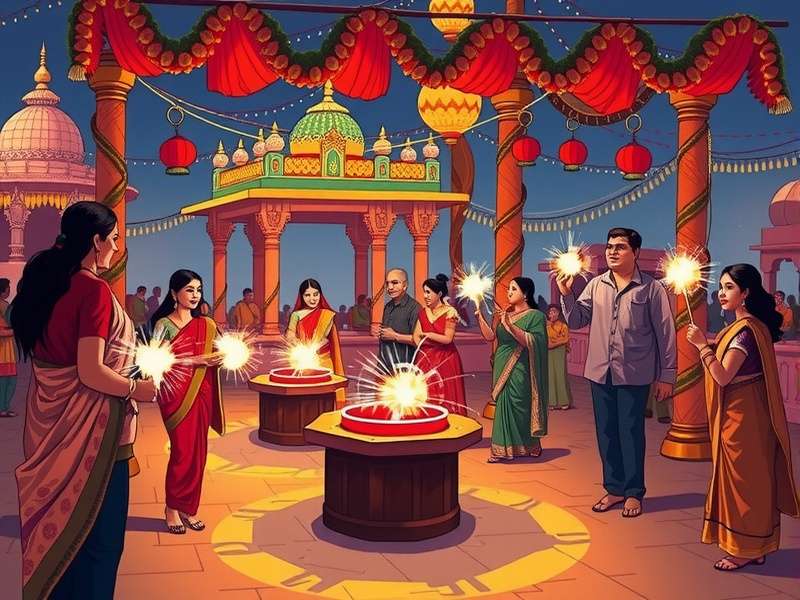
The history of Navratri Sparkle Mania is deeply intertwined with the history of Navratri itself—a festival that dates back over 5,000 years. While the game as we know it today has evolved significantly, its roots can be traced to ancient Vedic rituals, medieval festival traditions, and the cultural practices of various Indian dynasties. Unlike modern games with well-documented origins, Navratri Sparkle Mania has been passed down through generations via oral traditions, community gatherings, and family celebrations.
Ancient Roots: Vedic Rituals & Festive Games
The origins of Navratri Sparkle Mania can be traced to the Vedic period (1500-500 BCE), when Navratri was celebrated as a harvest festival dedicated to the goddesses of wealth (Lakshmi), knowledge (Saraswati), and power (Durga). During this time, communities would gather to perform yajnas (fire rituals), sing devotional hymns, and participate in simple games that symbolized the triumph of good over evil.
One of the earliest precursors to Navratri Sparkle Mania was a game called “Jyoti寻宝” (Jyoti Treasure Hunt), where participants would search for small lamps (jyoti) hidden in fields or forests. These lamps symbolized the light of the goddesses, and finding them was believed to bring blessings for a prosperous harvest. The game was not just a form of entertainment; it was a religious ritual that reinforced the community’s connection to the divine and to each other.
Ancient texts like the Ramayana and Mahabharata also mention festive games played during Navratri. In the Ramayana, it is said that Lord Rama and his brothers played a game of “token collection” during Navratri, where they would gather flowers and fruits as offerings to the goddess Durga. This game was seen as a way to prepare for the battle against Ravana, symbolizing the collection of strength and blessings from the divine.
Medieval Period: Evolution & Regional Adaptation
During the medieval period (8th-18th centuries CE), Navratri celebrations became more elaborate, and so did the games associated with them. As Hindu kingdoms flourished across India, rulers like the Rajputs, Cholas, and Guptas patronized Navratri festivals, organizing grand events that included dance, music, feasting, and games. It was during this period that Navratri Sparkle Mania began to take its modern form.
In Gujarat, which is now famous for its Navratri garba and dandiya, the game evolved into a community activity called “Chamak Dandiya.” Participants would form teams and compete to collect decorated wooden tokens (chamak) while performing dandiya dance moves. The tokens were often inscribed with verses from the Durga Saptashati, and collecting them was seen as a way to gain spiritual merit. The game was played in temple courtyards and royal palaces, and winning teams were awarded prizes like silk cloth, gold coins, and puja items.
In West Bengal, where Navratri is celebrated as Durga Puja, the game took on a more devotional tone. Known as “Durga Chamak Khel,” it involved teams searching for small idols of Durga and her children (Ganesha, Kartikeya, Lakshmi, Saraswati) hidden around the pandal. The game was accompanied by the chanting of mantras and the playing of traditional instruments like the dhak and shenai, and it was seen as a way to honor the goddess and seek her blessings.
In the southern states of Tamil Nadu and Kerala, the game was called “Amba Jyoti Mania” and involved collecting tokens made of flowers, turmeric, and kumkum. The challenges included reciting devotional hymns in Tamil, arranging rangoli patterns, and performing traditional dances like Bharatanatyam. The game was often organized by temples and community organizations, and it played a key role in bringing together people from different castes and backgrounds.
Colonial Era: Preservation Amidst Change
The colonial period (18th-20th centuries CE) brought significant changes to India’s social and cultural landscape, but Navratri Sparkle Mania managed to survive and even thrive. While the British colonial administration often discouraged traditional festivals and games, seeing them as “uncivilized” or “disorderly,” communities continued to celebrate Navratri and play the game in secret.
In rural areas, Navratri Sparkle Mania became a symbol of resistance against colonial rule. The game’s themes of unity, courage, and victory over evil resonated with the independence movement, and it was often played at secret meetings and rallies. The sparkle tokens, which symbolized the goddess’s blessings, became a symbol of hope for a free India, and collecting them was seen as a way to “gather strength” for the fight against colonial oppression.
In urban areas, the game adapted to the changing times. As more people moved to cities for work and education, Navratri celebrations became more commercialized, and Navratri Sparkle Mania evolved into a more organized activity. Community organizations and temples began to host formal tournaments, with standardized rules and prizes. The game also became more inclusive, welcoming people from all religions and backgrounds to participate in the celebrations.
Post-Independence: Revival & Popularization
After India gained independence in 1947, Navratri Sparkle Mania experienced a revival. The government recognized Navratri as an important cultural festival, and traditional games like Navratri Sparkle Mania were promoted as a way to preserve India’s cultural heritage. Schools, colleges, and community organizations began to organize Navratri events that included the game, and it soon became a staple of Navratri celebrations across the country.
In the 1950s and 1960s, Navratri Sparkle Mania became more elaborate. The sparkle tokens, which were once simple wooden or clay objects, were now made of plastic, metal, and even glass, decorated with glitter, paint, and sequins. The challenges became more varied, incorporating modern elements like quiz competitions, talent shows, and even fashion parades featuring traditional attire.
The 1980s and 1990s saw the rise of Navratri garba nights in urban areas, and Navratri Sparkle Mania became an integral part of these events. Pandal organizers began to invest in sound systems, lighting, and professional emcees to host the game, and winning teams were awarded attractive prizes like cash, electronics, and travel vouchers. The game also became popular among young people, who saw it as a fun way to celebrate Navratri while staying connected to their cultural roots.
1500-500 BCE (Vedic Period)
Earliest precursors to Navratri Sparkle Mania emerge as Vedic harvest rituals, with participants searching for "jyoti" (lamps) symbolizing goddess blessings.
8th-18th Centuries CE (Medieval Period)
Game evolves into regional variants like "Chamak Dandiya" (Gujarat) and "Durga Chamak Khel" (West Bengal), with decorated tokens and festival-themed challenges.
18th-20th Centuries CE (Colonial Era)
Game is preserved as a symbol of cultural resistance, played in secret at community gatherings and independence rallies.
1947-1990s (Post-Independence)
Game is revived and popularized, with formal tournaments, elaborate tokens, and integration into urban garba nights.
2000s-2010s
Game adapts to digital age, with online versions and social media integration, while retaining traditional core elements.
2020s-Present
Daman Games launches official digital adaptation of Navratri Sparkle Mania, making it accessible to global audiences.
Modern Era: Digital Transformation & Global Reach
The 21st century has brought unprecedented changes to Navratri Sparkle Mania, thanks to the rise of the internet, mobile technology, and social media. While the traditional version of the game remains popular in pandals and community grounds, a new digital version has emerged, allowing people to play from anywhere in the world.
In 2020, during the COVID-19 pandemic, when in-person Navratri celebrations were banned due to lockdowns, Navratri Sparkle Mania experienced a surge in popularity online. Community organizations and individuals began to host virtual versions of the game via video conferencing platforms like Zoom and Google Meet. Players would join from their homes, complete challenges like arranging rangoli on their floors or performing dandiya dance moves in their living rooms, and share their progress on social media. The game became a lifeline for many, allowing them to stay connected to their cultural roots and community during a time of isolation.
Recognizing the game’s potential, Daman Games—a leading developer of traditional Indian games—launched an official digital adaptation of Navratri Sparkle Mania in 2022. The mobile app features all the core elements of the traditional game, including sparkle tokens, Navratri-themed challenges, and team play, but with modern twists like 3D graphics, leaderboards, and in-app rewards. The app has been a huge success, with millions of downloads across India and among the Indian diaspora in countries like the United States, Canada, and the United Kingdom.
Today, Navratri Sparkle Mania exists in two forms: the traditional, in-person version that brings communities together during Navratri, and the digital version that allows people to play anytime, anywhere. Both versions share the same core values—devotion to Durga Maa, teamwork, and festive joy—and both play an important role in preserving India’s cultural heritage for future generations.
The history of Navratri Sparkle Mania is more than just the history of a game; it is the history of India itself. It reflects the country’s rich cultural diversity, its ability to adapt to change while retaining its traditions, and its unwavering devotion to the divine feminine. As Navratri continues to be celebrated across India and around the world, Navratri Sparkle Mania will remain a beloved tradition, bringing joy, unity, and blessings to all who play it.
🎯 Gameplay Mechanics: How to Play Navratri Sparkle Mania
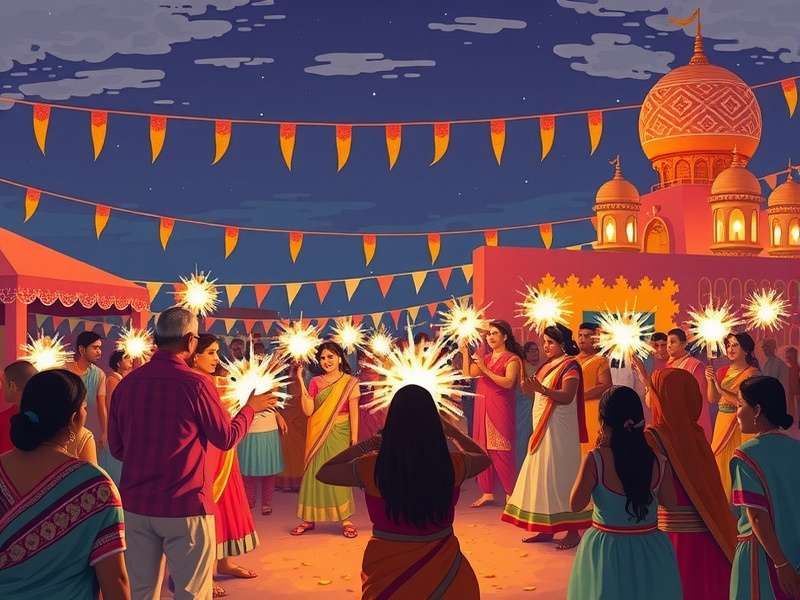
Navratri Sparkle Mania is a dynamic, team-based game that combines treasure hunting, rhythmic challenges, and traditional rituals. Its gameplay is designed to be inclusive, engaging, and true to the spirit of Navratri. Whether you’re playing the traditional in-person version or the digital adaptation by Daman Games, the core mechanics remain the same: teams compete to collect sparkle tokens by completing challenges, with the goal of accumulating the most points and winning the game. Below is a comprehensive guide to the gameplay of Navratri Sparkle Mania, including setup, team formation, challenge types, and winning strategies.
1. Preparation: Gather Players, Equipment & Setup
Before you can play Navratri Sparkle Mania, you need to gather your players, prepare the necessary equipment, and set up the game area. The preparation process is simple and can be adapted to different settings—from a small living room to a large pandal or community ground.
Players: Navratri Sparkle Mania is a team game that requires at least 6 players (divided into 2 teams of 3). The optimal number of players is 10-20, divided into 2-4 teams of 3-5 players each. The game is suitable for all ages, so you can have teams with a mix of children, teenagers, and adults. This inclusivity is part of the game’s charm, as it allows families and communities to play together.
Equipment (Traditional Version):
- Sparkle Tokens: These are the most important part of the game. Sparkle tokens are small, decorated objects that symbolize Durga Maa’s blessings. They can be made from a variety of materials, including wood, clay, plastic, metal, or even paper. Each token should be colorful and eye-catching, decorated with glitter, paint, sequins, jasmine flowers, or kumkum. The number of tokens depends on the number of teams and challenges—usually 10-15 tokens per team. You can also assign different point values to tokens (e.g., 10 points for a small token, 20 points for a large token) to add strategy to the game.
- Challenge Cards: These cards describe the challenges that teams must complete to earn sparkle tokens. Each card should have a clear, concise description of the challenge, along with the number of points it’s worth and the token that can be earned. Challenges should be Navratri-themed and suitable for all ages. Examples include: “Arrange a rangoli pattern using 5 different colors,” “Perform a 1-minute dandiya dance with your team,” “Recite 3 lines from the Durga Saptashati,” and “Solve the riddle: ‘I am the goddess of wealth, worshipped on the 5th day of Navratri. Who am I?’”
- Dandiya Sticks: A set of dandiya sticks (usually wooden or plastic) for dance challenges. They should be colorful and lightweight, suitable for all ages.
- Rangoli Powder: Assorted colors of rangoli powder for rangoli challenges.
- Devotional Hymn Book: A book of Navratri hymns (e.g., Durga Saptashati, Jai Ambe Gauri) for recitation challenges.
- Prize: A traditional prize for the winning team, such as a box of laddoos, a jasmine garland, a puja thali, or a small idol of Durga Maa. The prize should be meaningful and in line with Navratri traditions.
- Timer: A stopwatch or timer to keep track of challenge time limits.
- Scoreboard: A whiteboard or paper to keep track of each team’s points.
Equipment (Digital Version by Daman Games):
- A smartphone or tablet with the Navratri Sparkle Mania app installed.
- Internet connection (for online multiplayer mode).
- Headphones (optional, for better audio during dance and music challenges).
Setup (Traditional Version):
- Choose a Game Area: Select a flat, open space with enough room for teams to move around and complete challenges. If playing in a pandal or community ground, you can section off a part of the area for the game. If playing at home, you can use your living room or backyard.
- Hide the Sparkle Tokens: Hide the sparkle tokens around the game area. The hiding spots should be challenging but not impossible to find—under chairs, behind curtains, in flower pots, or even in rangoli patterns. You can also place some tokens in plain sight, but require teams to complete a challenge to earn them.
- Set Up Challenge Stations: Create 3-5 challenge stations around the game area, each dedicated to a different type of challenge (e.g., rangoli station, dandiya station, hymn station). Each station should have the necessary equipment (e.g., rangoli powder at the rangoli station, dandiya sticks at the dandiya station) and a challenge card describing the task.
- Explain the Rules: Gather all players and explain the rules of the game. Make sure everyone understands how to earn tokens, how points are awarded, and what the winning criteria are. Encourage fair play and remind players that the game is about having fun and celebrating Navratri.
2. Team Formation: Choosing Teams & Roles
Once the game area is set up, it’s time to form teams and assign roles. Team formation should be fair and inclusive, ensuring that no team has an unfair advantage.
Forming Teams: There are several ways to form teams:
- Random Selection: Write players’ names on pieces of paper, fold them up, and draw them to form teams. This is the fairest way to ensure that teams are balanced.
- Family/Community Groups: If playing with family or community members, you can form teams based on family groups or friendship circles. This adds a fun, competitive element to the game.
- Age-Based Teams: For larger groups, you can form teams based on age (e.g., children’s team, teenagers’ team, adults’ team). This ensures that challenges are tailored to each age group’s abilities.
Assigning Roles: Each team should assign roles to its members to ensure smooth gameplay. Common roles include:
- Team Leader: Responsible for coordinating the team, making decisions, and communicating with the game host. The leader should be organized and able to think on their feet.
- Token Collector: Responsible for finding and collecting sparkle tokens. The collector should be observant and quick on their feet.
- Challenge Specialist: Responsible for completing specific challenges (e.g., dance challenges, rangoli challenges). The specialist should have skills in the area of the challenge (e.g., a good dancer for dandiya challenges, an artist for rangoli challenges).
- Scorekeeper: Responsible for keeping track of the team’s points and ensuring that tokens are counted correctly. The scorekeeper should be detail-oriented and good with numbers.
Roles can be rotated throughout the game to give everyone a chance to participate in different aspects of the game.
3. Gameplay: Step-by-Step Guide
Once teams are formed and roles are assigned, the game can begin. The gameplay of Navratri Sparkle Mania is divided into three phases: the Treasure Hunt Phase, the Challenge Phase, and the Final Showdown Phase. Each phase is designed to be exciting and engaging, with opportunities for teams to earn points and showcase their skills.
Phase 1: Treasure Hunt Phase (20-30 Minutes)
The first phase of the game is the Treasure Hunt Phase, where teams search for sparkle tokens hidden around the game area. The goal of this phase is to collect as many tokens as possible, as each token is worth points. Here’s how it works:
- The game host announces the start of the Treasure Hunt Phase and sets the timer for 20-30 minutes.
- Teams disperse around the game area to search for sparkle tokens. They can split up or stay together—whatever strategy they think will work best.
- When a team finds a token, they bring it back to their team’s designated area and add it to their collection. They can then continue searching for more tokens.
- Some tokens may be hidden in hard-to-reach places or require teams to solve a simple riddle to find them. For example, a token might be hidden under a flower pot with a note that says, “I am the color of jasmine, look where the flowers bloom.”
- At the end of the Treasure Hunt Phase, the game host calls all teams back and asks them to count their tokens. The host records the number of tokens each team has collected and adds the corresponding points to their score.
Phase 2: Challenge Phase (30-40 Minutes)
The second phase of the game is the Challenge Phase, where teams compete in Navratri-themed challenges to earn additional points and tokens. This phase is designed to test teams’ teamwork, creativity, and knowledge of Navratri traditions. Here’s how it works:
- The game host explains the challenge stations and how the phase will work. Each team will rotate through the challenge stations, spending 5-10 minutes at each station.
- Teams draw lots to determine the order in which they will visit the challenge stations. This ensures that no team has an unfair advantage.
- At each challenge station, teams read the challenge card and work together to complete the task within the time limit. For example, at the rangoli station, teams might be asked to arrange a rangoli pattern using 5 different colors; at the dandiya station, they might be asked to perform a 1-minute dandiya dance with synchronized movements; at the hymn station, they might be asked to recite 3 lines from the Durga Saptashati.
- If a team successfully completes a challenge, they earn the corresponding points and a special “challenge token” (worth extra points). If they fail to complete the challenge, they earn no points for that station.
- The game host judges each team’s performance at the challenge stations and awards points accordingly. The host should be fair and consistent, and explain their decisions clearly to all teams.
- At the end of the Challenge Phase, the game host adds the challenge points to each team’s total score.
Phase 3: Final Showdown Phase (10-15 Minutes)
The third and final phase of the game is the Final Showdown Phase, where the top two teams compete in a final challenge to determine the winner. This phase is designed to be exciting and suspenseful, with the winner taking home the prize. Here’s how it works:
- The game host announces the top two teams based on their total score from the Treasure Hunt and Challenge Phases.
- The host explains the final challenge, which is usually a more difficult or creative task that requires teams to work together closely. Examples of final challenges include: “Create a 2-minute skit about the story of Durga Maa and Mahishasura,” “Perform a dandiya dance to a popular Navratri song with original choreography,” or “Answer 5 tricky questions about Navratri traditions.”
- The two teams have 10-15 minutes to prepare for the final challenge. They can discuss their strategy, practice their performance, or gather any necessary materials.
- Each team performs their final challenge in front of the other teams and the game host. The host judges the performance based on creativity, teamwork, adherence to the challenge requirements, and festive spirit.
- The host announces the winner and awards the prize. The winning team is also given a special “Navratri Sparkle Mania Champion” certificate or trophy, and all teams are thanked for participating.
4. Sparkle Tokens: Types & Point Values
Sparkle tokens are the heart of Navratri Sparkle Mania, and each type of token has its own unique meaning and point value. Below is a list of common sparkle tokens and their point values:
5. Winning Strategies for Navratri Sparkle Mania
While Navratri Sparkle Mania is a game of fun and festive spirit, a little strategy can go a long way in helping your team win. Below are some tips and tricks to help your team maximize their points and take home the prize:
For the Treasure Hunt Phase:
- Divide and Conquer: